Night shift essentials
What helps you sleep in daylight, stay comfortable at 3 a.m. and get home ready for bed.
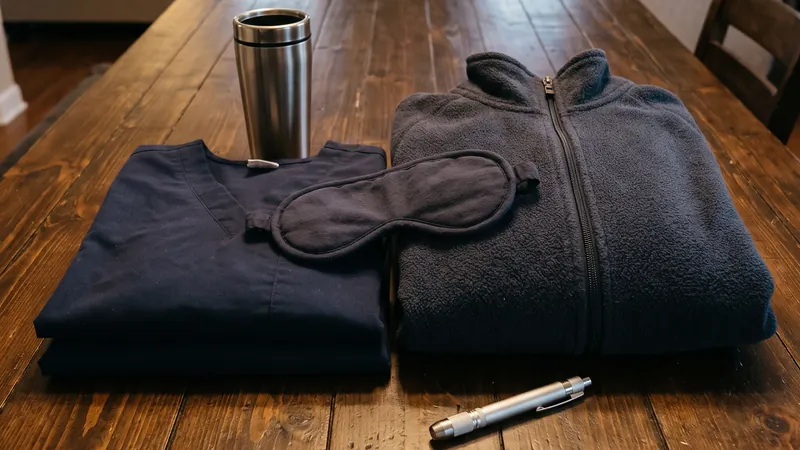
Sleeping by day
-
A dark room is the first thing day sleepers fix.
-
For the light the curtains miss, and for naps before a shift.
-
The rest of the world is awake and mowing its lawn.

On shift
-
Twelve hours on your feet is easier with them.
-
Hospitals run cold at night.
-
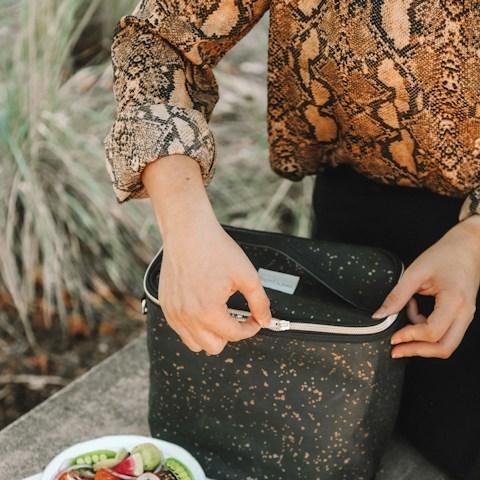
The cafeteria is usually closed overnight.
-
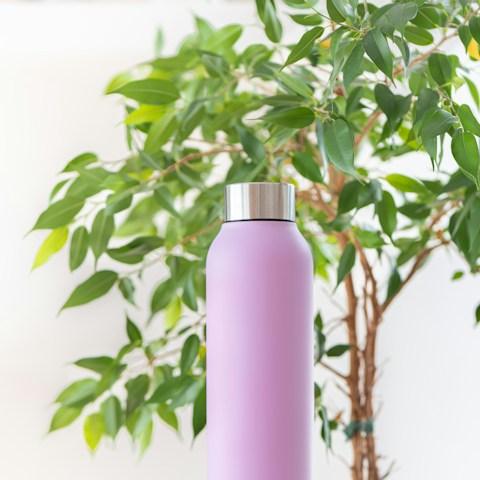
Easier to keep drinking when it's already at the desk.
-
For checking on a patient without turning on the room lights.

The drive home
-
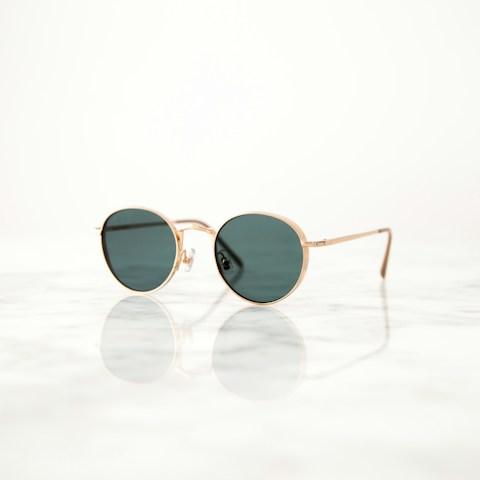
Morning light tells your body it's time to wake up. Dark glasses on the way home can make sleep come easier.
Wait on these, or skip them
-
Caffeine late in the shift
Coffee in the last hours of a night can make day sleep harder.
-
Driving home drowsy
If you're nodding off, nap in a safe spot first or get a ride. No list fixes that.
Questions people ask
How do night shift workers sleep during the day?
Most start with a dark, quiet, cool room: blackout curtains, a sleep mask, and white noise or earplugs. Keeping the same sleep hours on work days, and wearing sunglasses on the morning drive home, can both help.
More checklists
CNA class supply list →Nursing school supply list →Medical assistant program supply list →Phlebotomy class supply list →Dental assisting program supply list →EMT class supply list →Caregiver supply list →Work bag checklist for a new job →Scrubs for class and work →Gifts for nurses, CNAs and students →
Night shift jobs →CNA night shift jobs →RN night shift jobs →
Checked Nov 15, 2026. Programs and employers set their own rules, and theirs come first. Pictures show the style, not the exact items. Photos by Skinby DrG, Šuhajkove, Kelsey Curtis, Eduardo Casajús Gorostiaga and charlesdeluvio on Unsplash.